

What Homeowners Should Know Before Approving the Repair
Air conditioning systems usually give plenty of service before demanding serious attention, but when the compressor is involved, the conversation changes quickly. The compressor is often called the heart of the system for a reason, and compressor replacement is not a minor decision. Homeowners may first notice loud clanking or buzzing sounds, weak airflow, or breakers that trip without warning. These symptoms can feel sudden, yet they often reflect long term strain inside the system. Understanding what a failing compressor means helps set realistic expectations before any major repair is approved.
The role of the compressor is to circulate refrigerant and keep the cooling cycle moving. When it struggles or fails, the entire system loses its ability to cool properly. Repairing this component is complex and requires certified technicians who can safely handle refrigerant and specialized tools. The process involves draining refrigerant, removing the damaged compressor, soldering in a new one, and recharging the system to exact specifications. Each step must be done correctly to avoid leaks, electrical issues, or future failures. This level of labor and precision is a big reason compressor repairs carry a higher price tag than many other AC issues.
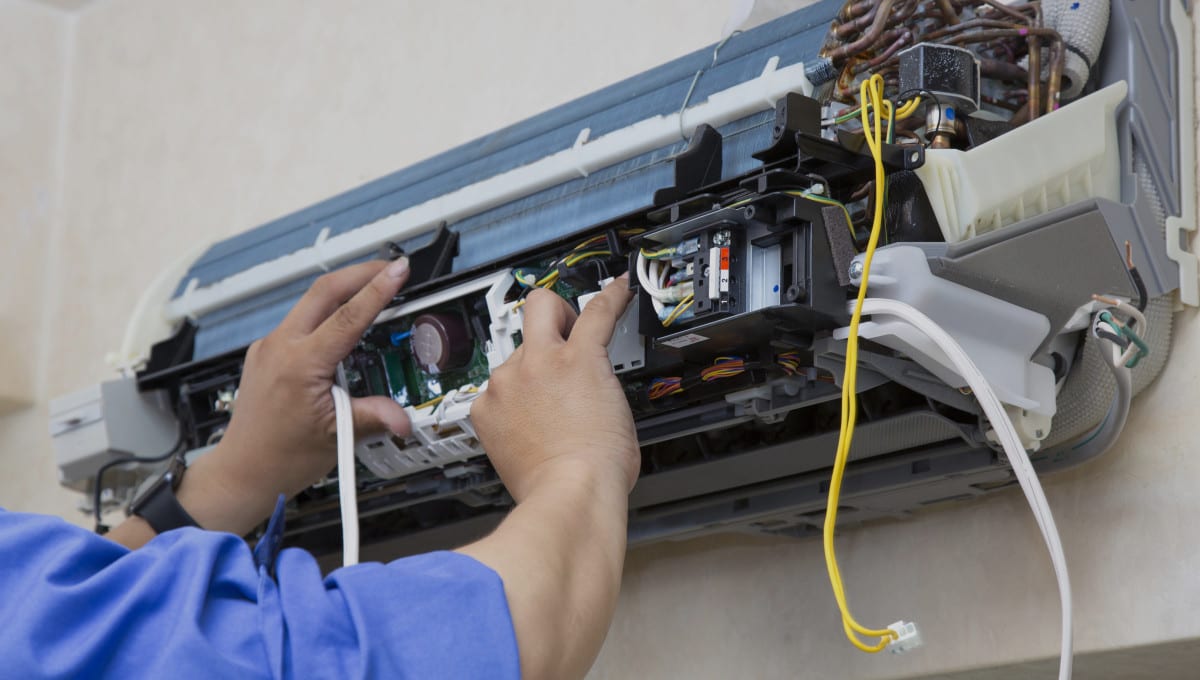
Symptoms of compressor trouble often show up in ways that seem unrelated at first. Air may still move through the vents but feel warmer than expected. The system might turn on and off frequently, or make noises that were never there before. Electrical signs are also common, including blown fuses or tripped breakers caused by the compressor drawing too much power. While these problems can sometimes be traced to other components, a professional diagnosis is essential to confirm whether the compressor is truly the source. Guessing or delaying service often leads to more damage and higher costs.
Age plays a major role in deciding whether a compressor repair makes sense. For newer systems that are still under warranty, replacement of the compressor may be a reasonable path forward. However, for systems that are 10 to 15 years old, the cost of replacing the compressor can approach the value of a full system replacement. Older units also tend to be less efficient, meaning even after repair, operating costs may remain high. In many cases, investing in a new system offers better long term value, improved efficiency, and fewer repair worries moving forward.
Making an informed decision comes down to balancing cost, system age, and future reliability. This type of major repair can restore cooling, but it does not reset the clock on an aging system. Homeowners who take time to review all available options often feel more confident about the choice they make. Whether the path forward is repair or full system replacement, understanding the scope of the work is key. When compressor replacement becomes part of the discussion, having clear information helps protect both comfort and budget, turning a stressful moment into a well planned decision for the long run.